
Understanding Pedestrian Negligence and Its Role in Accident Claims
When it comes to accidents involving vehicles and pedestrians, the immediate assumption often places the driver at fault....
Read More
If you were hit by a car in Kansas City, Foster Wallace Personal Injury Lawyers fights to recover every dollar you’re owed – at no cost unless we win.
Pedestrian crashes often result in life-changing injuries, mounting medical bills, and insurance companies looking for ways to reduce what they pay. Our firm is here to help you move forward.
As an experienced pedestrian accident lawyer in Kansas City, we help injured pedestrians recover compensation after serious accidents caused by negligent drivers. Whether your accident happened in Missouri or Kansas, we handle every stage of your claim and secure the maximum compensation for your injuries.




Foster Wallace Personal Injury Lawyers fights for clients who have been wronged or injured, and we have the track record to prove it. Explore our case results to learn how our dedicated personal injury lawyers can advocate for your rights and work to obtain maximum compensation.
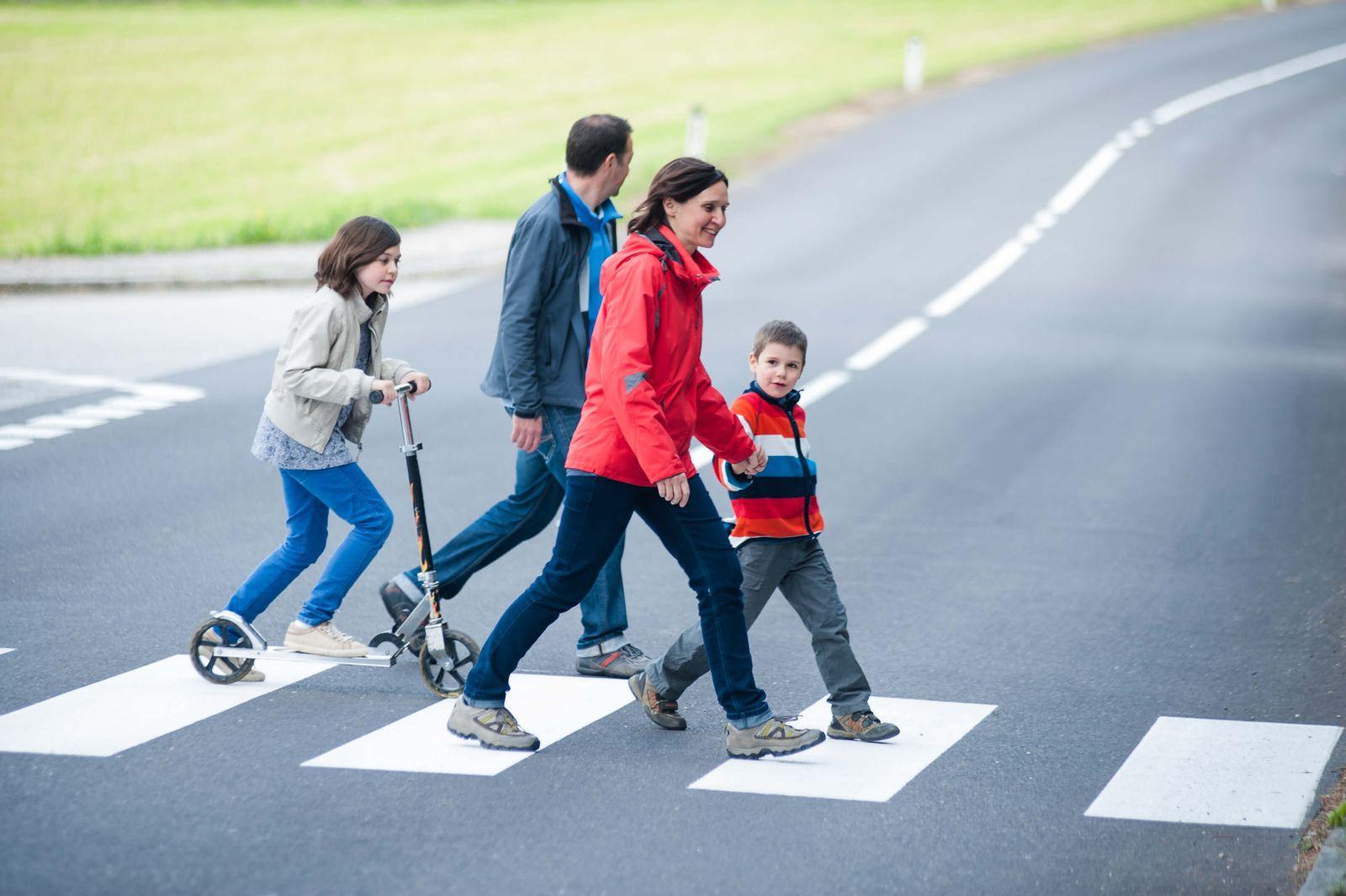
Our pedestrian car accident lawyers at Foster Wallace Personal Injury Lawyers handle every type of collision where a vehicle strikes a person on foot. From crosswalk accidents to hit-and-run crashes throughout Kansas City, we hold negligent drivers accountable and help you recover physically and financially. Understanding how pedestrian negligence affects your claim can also help you understand how fault may affect your recovery.
We represent clients injured in:
Drivers who fail to yield at crosswalks and intersections may be held liable for injuries they cause.
Even if the driver leaves the scene, you may still be able to recover compensation through uninsured motorist coverage. Contact a pedestrian car accident lawyer right away to preserve valuable evidence.
Drivers who text, speed, or drive under the influence can be held accountable when their negligence causes serious injuries.
Crashes involving delivery trucks, buses, or rideshare vehicles often involve multiple insurance policies and potentially multiple responsible parties.
These crashes often happen when drivers fail to slow down, stay alert, or yield to pedestrians in high-traffic areas.
Pedestrian accidents involving children are often severe and require careful handling. Although families may have additional time to file a claim, it’s still important to begin preserving evidence right away.
A pedestrian injury accident lawyer at Foster Wallace evaluates all available damages categories, not just your immediate medical bills. Our goal is to pursue compensation that reflects the full impact the accident has had on your life.
You may be able to recover both economic and non-economic damages, including:
Emergency treatment, hospital stays, surgery, rehabilitation, physical therapy, medications, and anticipated future medical care if your injuries require ongoing treatment.
If your injuries prevent you from working, you may recover lost income. When injuries permanently affect your ability to earn a living, future lost earning capacity may also be included.
Serious pedestrian accidents often leave victims dealing with chronic pain, emotional distress, anxiety, and a reduced quality of life. These non-economic damages are often a significant part of a claim.
Personal belongings damaged during the accident, including cell phones, bicycles, electronic devices, or other items, may also be recoverable.
A spouse may be entitled to compensation when serious injuries negatively affect the marital relationship and family life.
If a pedestrian is killed, eligible surviving family members may pursue compensation for funeral expenses, lost financial support, and the loss of companionship their loved one provided
Economic damages include measurable financial losses such as medical bills, rehabilitation costs, and lost wages. Non-economic damages compensate for the physical pain, emotional suffering, and lasting effects an injury has on your daily life. Insurance companies frequently undervalue these damages, making experienced legal representation especially important.
If the driver who caused the crash was intoxicated, fleeing law enforcement, or acted with a conscious disregard for the safety of others, Missouri and Kansas law may allow additional punitive damages. These are designed to punish that conduct and discourage similar behavior in the future.
At Foster Wallace, our clients' voices speak to the heart of what we do. Discover their stories and see the impact we've made in their lives—and how we can do the same for you.

An accident can leave you facing painful injuries, unexpected expenses, and uncertainty about what comes next. Speak to a pedestrian car accident lawyer at Foster Wallace Personal Injury Lawyers today to fight for the compensation you deserve with no upfront legal fees.
After a serious accident, you deserve to focus on your recovery, not navigate the legal process alone. Here’s what happens when you trust us as your pedestrian injury accident lawyer:
An experienced pedestrian accident lawyer reviews the details of your accident, including where it happened, the injuries you suffered, and any available evidence. You’ll receive an honest assessment of your case and clear next steps, with no obligation.
Our team immediately begins gathering evidence, including police reports, surveillance footage, witness statements, and medical records. We also identify every potentially responsible party to help build the strongest claim possible.
Once we fully understand your damages, we prepare a detailed demand package and negotiate with the insurance company on your behalf. We push back against low settlement offers and fight for compensation that reflects the true value of your injuries.
If the insurance company makes a fair offer, we’ll explain it clearly so you can make an informed decision. If a fair settlement isn’t possible, we’re prepared to file suit and represent you through trial. Because we work on a contingency fee basis, you pay nothing unless we recover compensation for you.
Depending on where your accident occurred, Kansas and Missouri have different rules regarding filing deadlines, fault, and compensation. As an experienced Kansas City pedestrian accident lawyer, we understand the laws in both states and can help you navigate the legal process.
Looking for the best pedestrian accident lawyer in Kansas City? You deserve a law firm that combines experience, personal attention, and a commitment to achieving the best possible outcome. At Foster Wallace Personal Injury Lawyers, we deliver just that.
You pay no upfront attorney fees. We only get paid if we successfully recover compensation for you.
Our attorneys handle pedestrian accident cases on both sides of the state line, providing seamless representation throughout the Kansas City metro.
You’ll work directly with Attorney Michael Foster or Brian Wallace throughout your case, receiving straightforward answers and regular updates along the way.
Our team has recovered significant compensation for injury victims throughout the Kansas City area and understands the local courts, insurers, and legal process.
We move quickly to secure surveillance footage, police reports, witness statements, and other critical evidence before it disappears.
You’ll receive an honest evaluation of your case so you can make an informed decision without feeling pressured to move forward.
Nearly 7,000 pedestrians are killed annually, and 55,000 more are injured in accidents nationwide. One in six people who die in motor vehicle crashes is a pedestrian. These are scary statistics for anyone who walks from one place to another.
While pedestrians must always obey traffic laws and be alert to their surroundings, they shouldn’t be blamed if a driver’s carelessness causes injuries. Of course, you can and should take steps to protect yourself as a pedestrian, such as watching for cars, wearing light colors, and always assuming a driver doesn’t see you. But if a negligent driver hits you, you should take steps to hold them accountable.
Don’t handle the aftermath alone—speak with a Kansas City pedestrian accident lawyer about your options for holding the negligent driver accountable. Some of the most common places pedestrian crashes occur include:
Downtown areas where many cars meet many people are high-risk areas for pedestrian accidents. In restaurant districts, there is also an increased risk of drunk drivers failing to yield to pedestrians.
While walkers are often hit at intersections, they are also struck in marked crossings away from major crossroads because drivers do not expect to see them.
With so many cars backing up and whipping into coveted spots, pedestrians are an afterthought to many drivers in parking lots. Even at low speeds, deadly pedestrian crashes can happen in an intersection.
Whether your area has sidewalks or not, people pulling into and backing out of driveways may fail to see pedestrians.
The chances of being hit while walking increase exponentially when visibility is low. Drivers should be extra-aware of pedestrians at night.
Rain, fog, and snow make it hard for drivers to see pedestrians and make it difficult to stop in time, even if they do see you.
Our firm works on a contingency fee basis, so you pay no attorney fees unless we recover compensation for you. Our fee is agreed upon before we begin your case, and most litigation costs are advanced by the firm and reimbursed from the final settlement or verdict.
Missouri generally gives injured pedestrians five years to file a personal injury lawsuit, while Kansas generally allows two years. It’s best to speak with a pedestrian injury accident lawyer as soon as possible because evidence and witness memories can quickly disappear.
Yes, depending on where the accident occurred. Missouri follows a pure comparative fault rule, allowing injured pedestrians to recover compensation even if they were partially responsible. Kansas follows a modified comparative fault system, meaning you may recover damages only if you are found to be less than 50% at fault.
To help combat the tragic statistics for bicyclists and pedestrians in Missouri, and in every state, the federal Bipartisan Infrastructure Law, also known as the Infrastructure Investment and Jobs Act, requires every state to conduct a Vulnerable Road User Safety Assessment (VRUSA), in which each state Department of Transportation (“DOT”) must assess the causes and consequences of bicycle and pedestrian crashes in the State. The DOT must then provide a Strategic Highway Safety Plan for the State to improve the safety of VRUs, with a goal of zero fatalities by 2030.
This article discusses the 2023 Vulnerable Road User Safety Assessments (VRUSAs) for Missouri and discusses the countermeasures recommended to combat the current issues for Bicyclists and pedestrians in Missouri.
According to the Missouri DOT’s VRUSA, there are identifiable trends that occur in the State of Missouri that point to high vulnerability for certain bicyclists and pedestrians. For example:
With these trends in mind, the Missouri DOT identified problem areas that need improvement in Missouri, such as:
The DOT recommends two primary areas of improvement that require VRU countermeasures: roadway segments and intersections. Some of the low-cost infrastructure countermeasures suggested in the Missouri VRUSA as possible options include the following.
Because narrower lanes could also impact larger vehicles, their safety effects on reducing pedestrian crashes is estimated to be between 24% and 55% when supplemented by a center left-turn lane.
Although the Missouri DOT adequately identifies the most dangerous streets and intersections for bicyclists and pedestrians, Missouri remains one of only a few states without a statewide active transportation plan for VRUs. Without a comprehensive and cohesive plan implemented across the state, countermeasures targeted solely on high-volume or high-impact VRU areas will not effectively protect all VRUs throughout the state, and Missouri will continue to rank as one of the least bicycle-friendly states in the United States with the most room for improvement.
Continuing efforts by the Missouri DOT to improve and expand its annual VRUSA and implement state-wide countermeasures like the ones described in this article offer hope for less vulnerability and greater protection for bicyclists and pedestrians in Missouri.
Everyone becomes a vulnerable road user (VRU) at one time or another. If you or someone you love has been injured in a bicycle or pedestrian accident in Missouri, call the award-winning bicycle and pedestrian accident lawyers at Foster Wallace, LLC.
The legal team at Foster Wallace, LLC, understands how vulnerable every bicyclist and pedestrian is when traveling our great Missouri roads, especially those right here in downtown Kansas City. If you need assistance after a bicycle or pedestrian accident, the lawyers at Foster Wallace, LLC, will help you obtain compensation for your injuries. Call us today at 816-320-6979 or contact us online for a free consultation.
Here are some startling statistics on pedestrian accidents:
As you might expect, pedestrian fatalities tend to occur most within two particular age groups—the elderly and children.
Although every driver and pedestrian should know and follow the rules of the road, persons who care for elderly adults and children should be especially mindful to heed the safety tips included in this article.
Most pedestrian accidents can be avoided when drivers and pedestrians are alert, exercise caution, and abide by the rules of the road. However, both drivers and pedestrians sometimes behave in unsafe ways. When they do, pedestrian accidents can occur. There are certain risk factors that increase the likelihood of a pedestrian accident. These can apply to pedestrians and drivers alike. These include:
Pedestrian accidents may occur if either the pedestrian or the motor vehicle driver is under the influence of drugs or alcohol. Consuming any foreign substance as either a driver or pedestrian can:
An intoxicated driver can operate the vehicle recklessly or easily lose control of the vehicle, veering off the side of the road where a pedestrian may be walking. He or she may have impaired vision and may not see a traffic signal at an intersection or a pedestrian walking in a crosswalk.
An impaired pedestrian may easily stumble onto the roadway, cross the road at an inappropriate time or location, or simply not see an approaching car when they cross.
Drug use and alcohol consumption are significant risk factors for pedestrian accidents. Both should be avoided by drivers and pedestrians alike.
Naturally, the faster a driver drives, the less likely they are to see and react to a pedestrian crossing the road, thereby increasing the likelihood of a pedestrian accident. When a vehicle does strike a pedestrian, a vehicle traveling at a higher rate of speed is more likely to inflict more severe injuries and increase the likelihood of a fatality. Similarly, the size and capacity of the motor vehicle can have an impact on the severity of a pedestrian’s injuries. For example, research provided by the Governors Highway Safety Administration reveals that sport utility vehicles (SUVs) tend to cause more severe injuries to pedestrians after impact due to the greater size, weight, and structure of the vehicle.
According to the IIHS, 49 percent of pedestrian deaths in 2020 occurred in urban areas on roads with speed limits of 40 mph or less. In rural areas, only 17 percent of deaths occurred on roads with similar speed limits. The most pedestrian deaths (29%) occurred on roads for which the speed limit was over 55 mph.
Other factors that may increase the likelihood of a pedestrian accident include the time and location of the incident. According to NHTSA data, most pedestrian traffic deaths (80%) occur in urban areas. More pedestrian deaths (76%) occur on the open road, where vehicles tend to drive at higher speeds, than at intersections (24%). Most pedestrian deaths (76%) occur when it is dark and there are poor lighting conditions.
The largest number of pedestrian deaths occurs on Saturdays, and the majority of these deaths happen during periods with dark lighting conditions. The fewest number of nighttime deaths occur on Tuesday, but the number increases throughout the remainder of the week and peaks on Saturday.
Reckless or distracted driving naturally increases the danger to drivers of motor vehicles on the road. However, reckless driving is also dangerous to pedestrians who may be crossing at a crosswalk, passing through an intersection, or simply walking along the roadway. A reckless or distracted driver can easily:
Because a driver always owes a duty of caution to others on the road, including pedestrians, it is important that drivers always drive alertly and without distraction, especially in the era of cell phones, earbuds, and handheld electronic devices.
Some pedestrian accidents may not be the sole fault of the driver or the pedestrian. Often, a factor that significantly increases the risk to pedestrians is the condition of the roadway and its surrounding environment, especially in areas that have heavy pedestrian traffic. Many localities are sorely lacking in adequate safety measures for pedestrians. These can include common safeguards such as:
Drivers and pedestrians alike must be alert to properly adhere to any pedestrian safeguards that are provided but also must recognize that conditions are not always sufficient to provide effective warning. Ultimately, drivers are responsible for driving safely, adhering to traffic laws, and avoiding risk, and pedestrians are responsible for exercising caution, crossing at designated crosswalks, and obeying pedestrian traffic laws.
Safe driving on the road and cautious walking on sidewalks and at crosswalks might seem to be common sense. But pedestrian accident statistics demonstrate that often, common sense is lacking or ignored by both drivers and pedestrians. Here are ten reminders to heed when you are driving your car or walking on the road to help keep pedestrians safe.
Drivers have a legal duty to other drivers on the road. That duty extends to pedestrians on or near the road as well. Pedestrians also owe a legal duty to drivers on the road and other pedestrians. Any violation of the rules of the road by either drivers or pedestrians may lead to a pedestrian accident and legal liability.
There are many safety risks to pedestrians on the road. You may be entitled to compensation for your injuries and other damages after an accident if another party, including the driver of a motor vehicle, was at fault. The attorneys at Foster Wallace, LLC are experienced car accident attorneys and understand how the motor vehicle laws apply to pedestrians. We can help you:
If you have been injured in a pedestrian accident, or if a loved one was killed as a result of being struck by a motor vehicle, please call the Kansas City, Missouri personal injury attorneys Foster Wallace, LLC.
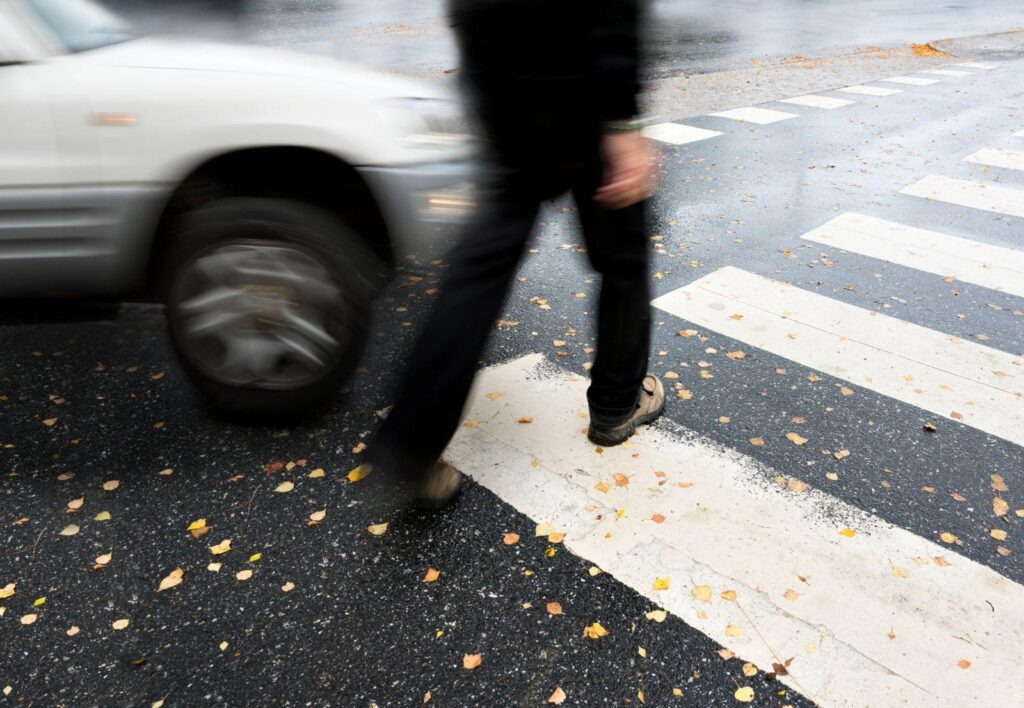
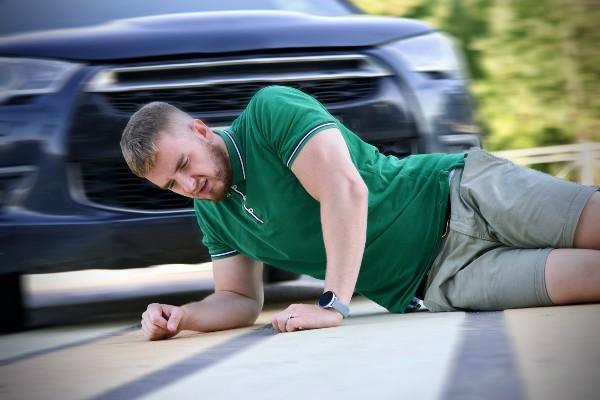
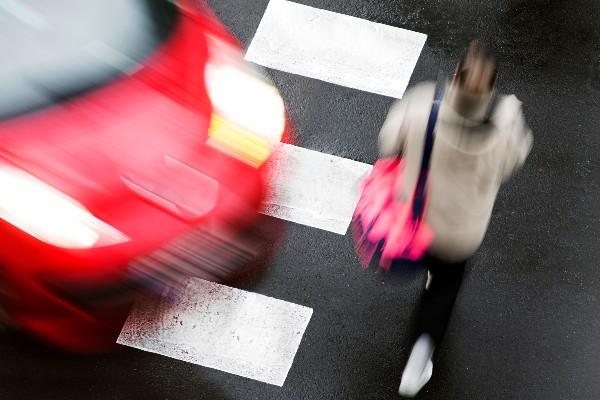
Pedestrian accident victims often face serious injuries, expensive medical bills, and insurance companies focused on minimizing payouts. Our team at Foster Wallace Personal Injury Lawyers is here to level the playing field and fight for the compensation you deserve.
Speak to a dedicated pedestrian accident lawyer today for the best possible outcome.
Foster Wallace
 N/a
N/a