
Missouri Statute of Limitations for Personal Injury Claims in 2026
If you were injured in an accident in Missouri, waiting too long to take legal action could affect...
Read More
Slip and fall accidents, unsafe stairways, or poorly maintained properties can turn an ordinary day into a painful ordeal. You might find yourself facing steep medical bills, lost wages, and the uncertainty of what comes next. That’s where the slip and fall lawyers at Foster Wallace come in.
At Foster Wallace Personal Injury Lawyers, our slip and fall lawyers have 45 years of combined experience to every case. That’s why we’re here to fight for justice and ensure your family’s well-being is protected. Your Injury. Our Fight. Let our lawyers fight for you to receive the maximum compensation in your case.
Request Your Free Consultation!
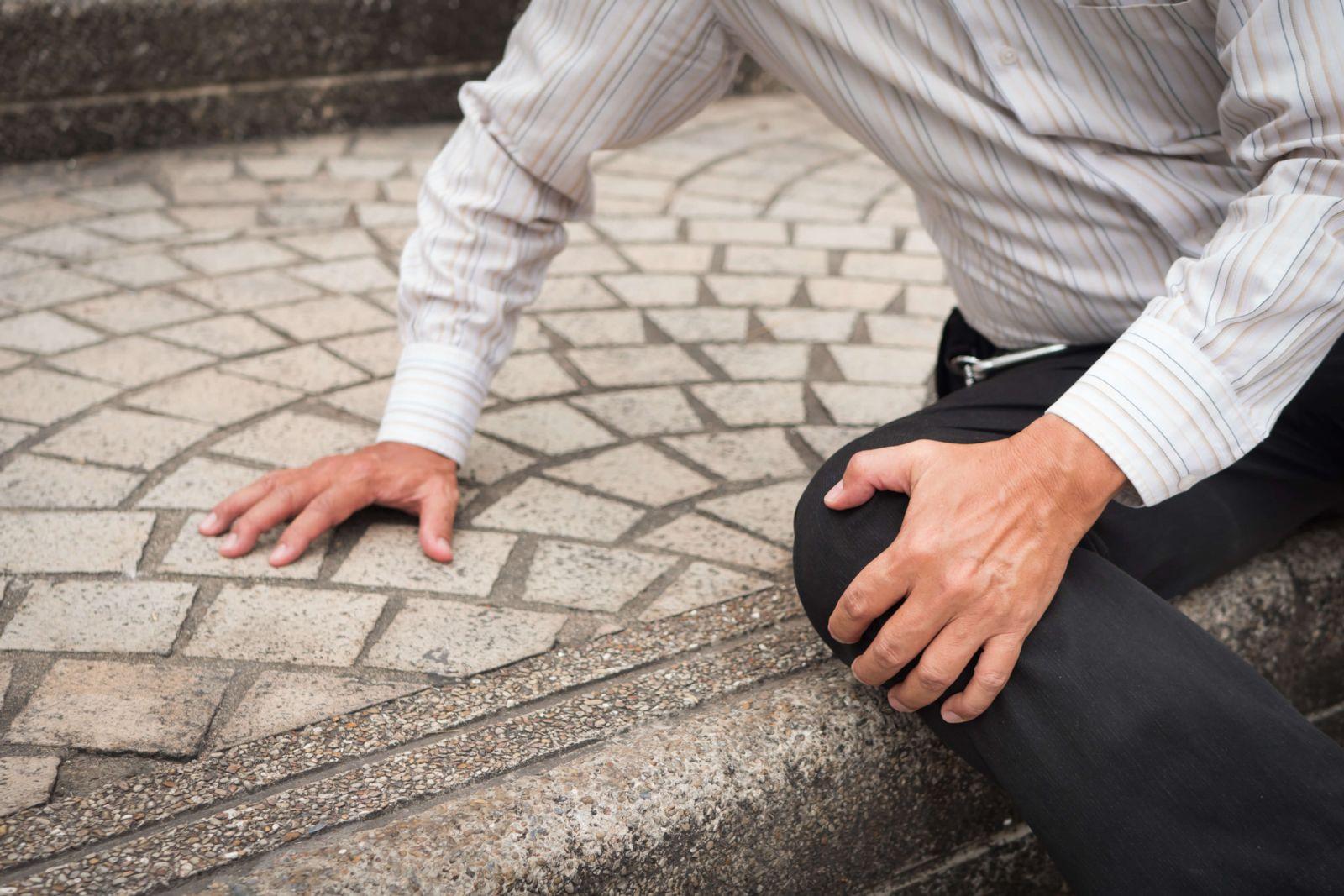
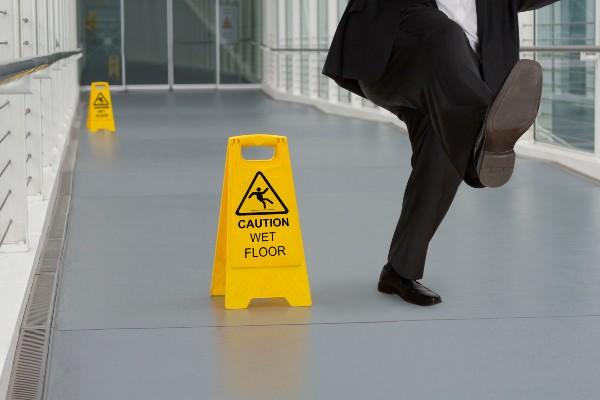
Property owners have a legal duty to maintain safe premises, but when negligence occurs, you have the right to hold them accountable. When a property owner is to blame for your serious injuries, it is vital that you talk to a slip and fall lawyer about your rights as soon as possible. These are difficult cases to win, and they require an experienced Kansas City premises liability lawyer to gather the evidence you will need to support your claim of negligence.
Accidents caused by dangerous property conditions can leave you with overwhelming medical bills, lost wages, and emotional distress. Handling the legal system on your own can be confusing and intimidating, especially when property owners and their insurance companies are quick to deny injury claims.
Foster Wallace Personal Injury Lawyers fights for clients who have been wronged or injured, and we have the track record to prove it. Explore our case results to learn how our dedicated personal injury lawyers can advocate for your rights and work to obtain maximum compensation.
$2,300,000 settlement for man injured in a motorcycle accident
$1,900,000 Settlement for Johnson County Car Accident.
$1,500,000 Settlement for Pedestrian Accident in Mission, Kansas
$250,000 settlement for Cass County, Missouri wreck
Our slip and fall lawyers in Kansas City will carefully analyze the facts surrounding your accident to determine if you have a valid premises liability claim. We’ll examine whether:
Property owners have a legal obligation to keep their premises safe for lawful visitors. For example, grocery stores must clean up spills promptly, and parking garages must have adequate lighting to prevent accidents.
If a property owner knew—or should have known—about a hazard and failed to fix it or provide proper warnings, they may be negligent. Examples include ignoring broken staircases, failing to clear snow and ice, or neglecting to secure attractive hazards like swimming pools.
We must connect the property owner’s failure to maintain safe conditions with the injuries you sustained. For example, if you slipped and fell on a wet floor in a retail store that wasn’t marked with warning signs, the store owner may be liable.
To recover compensation, we’ll show how your injuries led to tangible losses, such as medical bills, lost wages, and pain and suffering. Whether you’re dealing with severe injuries like broken bones or ongoing emotional trauma, we’ll ensure your damages are fully accounted for.
Liability stems from the fact that property owners owe guests and visitors a duty of care. One of the initial questions your lawyer will want to determine is what kind of duty of care was owed to the potential plaintiff. The duty of care a defendant owes depends on your status while you were on the land of another. For instance, were you trespassing on the land? Were you invited onto the land by the owner? Were you a licensee?
Most of the time, someone is an invitee onto the land of another. You would be an invitee if you entered with consent and to the benefit of the owner of the premises. For example, you would be an invitee if you went to a grocery store to make a purchase. Invitees are often called business visitors. A licensee is one who enters with the consent of the owner or occupier but for the licensee’s own purposes.
To establish liability for injuries suffered, an invitee must show:
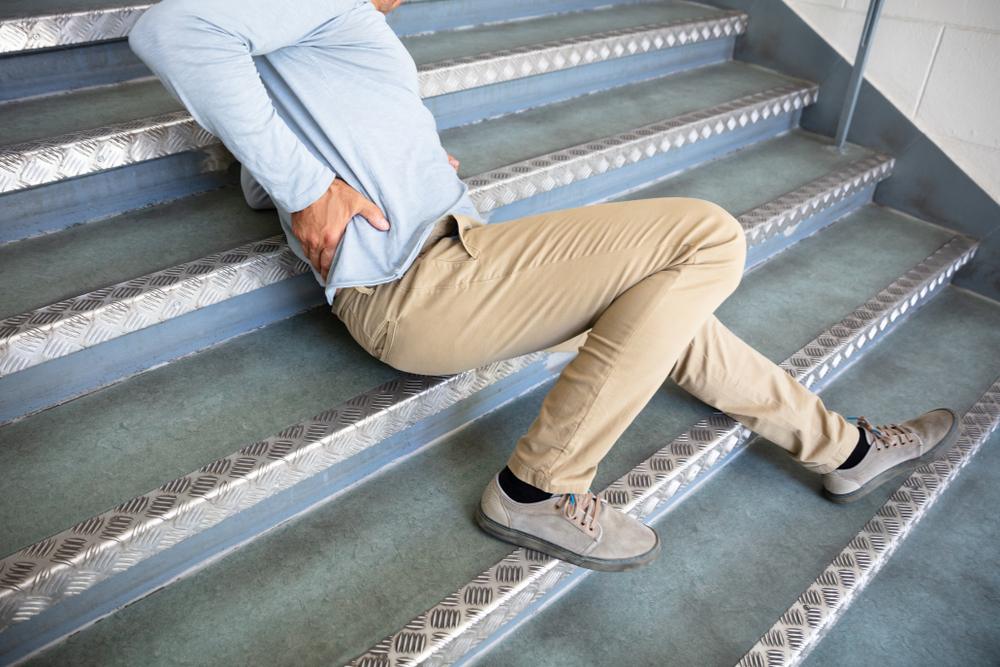
The burden of proving all of the elements of a premises liability claim falls on the injured party, who should not attempt to file a claim without the help of an experienced Kansas City slip and fall lawyers. The sooner you have someone gathering evidence of negligence, the more likely it is that your case will succeed.

By statute, a possessor of real property generally owes no duty of care to a trespasser except to refrain from harming the trespasser by an intentional, willful, or wanton act. There are exceptions to this rule, however.
For instance, an owner may still be liable if they knew that trespassers continually came on the limited area of the land where the trespasser was harmed, the harm resulted from a dangerous artificial condition on the land, and the owner created the artificial condition that caused the harm. The owner must have known it was likely to occur, that the trespasser would not likely discover it, and failed to exercise reasonable care to warn trespassers of the condition. An invitee or licensee can become a trespasser by exceeding the scope of the invitation or license.
Another exception involves children. Children cannot be considered trespassers when there is an “attractive nuisance” on the property. If a child enters a property uninvited because there is a swimming pool, trampoline, mounds of dirt, construction equipment, or anything else that might be appealing to a child, the owner can be held liable if the child is injured or killed on the property. It is a property owner’s duty to do everything they can to keep children from being able to access the attractive nuisance, such as installing fencing and alarms or removing the nuisance completely.
Missouri has a statute of limitations for premises liability claims. This means you typically have five years from the date of the accident to file your claim. Failing to act within this timeframe can result in losing your right to recover damages.An experienced Kansas City lawyer can evaluate the exceptions that may apply in your premises liability case.
Conditions such as missing pavement, inadequate maintenance, cracked or uneven sidewalks, and poorly maintained landscapes can all create hazardous situations. In addition to hazards leading to falls, premises liability claims may also include:

Wet floors in grocery stores, icy sidewalks, loose rugs, or spills in parking garages can cause devastating injuries if not promptly addressed. These are among the most common premises liability claims. A premises liability lawyer can help determine who is liable for your slip and fall accident.

Poor lighting, broken locks, or a lack of security measures in areas like parking garages or retail stores can lead to theft, assaults, or other crimes that harm visitors.

This can include fire hazards, exposed wiring, water leaks, flooding, toxic substances, and unsafe attractions. Additionally, broken staircases or collapsing structures create unsafe environments, putting visitors at risk of severe injuries.

Unrestrained or aggressive animals can attack unsuspecting visitors or passersby, causing physical and emotional harm.

These are features, such as swimming pools or abandoned equipment, that may entice children. Property owners must take extra precautions to secure these areas to prevent accidents.
At Foster Wallace, our clients’ voices speak to the heart of what we do. Discover their stories and see the impact we’ve made in their lives—and how we can do the same for you.




We cannot adequately convey our appreciation to you for all that you did on our behalf. Your diligence and persistence on all of the details...
Conscientious, thorough and committed to whatever situation he is working on. With many years of experience working with Michael, I can comfortably say that he...
One of the best in the field! Michael Foster is a rising star in the field of litigation. The personal attention he provides to his...
I reached out to three attorneys who turned down my case before I was connected with Foster Wallace. They settled my case for over $1.4...
Customer service acumen, reliability, attention to detail, and understanding of complex legal issues. As a member of the Kansas City Chiefs front office, I had...
Michael assisted me with a dog bite claim. He always kept me up to date throughout the process and made sure I was on the...
I have worked with several lawyers in the past, yet this is the first time I’m excited to write a review. Mr. Wallace has taken...
Thank you Mike and Brian. You did a great job taking car of the car wreck. They are friendly and all ways listens to what...
Michael Foster is hands down the best attorney. He was responsive, professional, and most importantly he guided me throughout the entire process and broke down...
I contacted Foster Wallace a few weeks ago to get some advice about a potential case my fiancee and I had. Initially, we were seeking...
Brian and Michael were terrific in helping me in my case. They made the process extremely simple, which made the situation way less stressful. They...
After hiring Mr. Wallace to take care of some difficult legal matters I have been struggling with for years, it became apparent that he was...
Premises liability accidents can occur anywhere property owners or managers fail to uphold their responsibility to maintain safe conditions.
From public spaces to private homes, when safety standards are neglected, the risk of injury increases significantly. Here’s a closer look at some common locations where these accidents happen:
Grocery stores are a frequent site for slip and fall accidents caused by spilled liquids, leaking freezers, or poorly maintained aisles.
Wet floors without warning signs, loose floor mats, or cluttered walkways can lead to serious injuries for unsuspecting customers. Store managers and employees are required to regularly inspect and address hazards to prevent accidents.
Shopping venues, such as malls and retail stores, present numerous risks to customers. Uneven flooring, damaged tiles, cluttered walkways, or merchandise falling from improperly stacked shelves can all result in injuries.
Retailers must ensure their premises are safe for visitors by addressing hazards promptly and implementing proper safety measures.
Even private residences can become the setting for premises liability accidents. Homeowners have a duty to maintain a safe environment for lawful visitors, such as guests or contractors. Common hazards include broken staircases, loose railings, icy driveways, or hidden dangers like exposed wires.
Additionally, dog bites caused by unrestrained or aggressive pets can also lead to premises liability claims.
Parks, recreation areas, playgrounds, and other public spaces must be maintained to ensure safety for all visitors. Uneven sidewalks, unmarked hazards, or poorly maintained equipment can cause accidents, especially for children or elderly visitors.
Local governments or property managers are responsible for inspecting and addressing dangerous conditions in these areas.
In dining establishments, hazards such as spilled drinks, greasy floors, or unstable furniture can cause injuries. Outdoor patios and walkways must also be properly maintained to ensure the safety of patrons.
Visitors rely on hotels and resorts to provide safe accommodations. Wet floors in lobbies, poorly maintained elevators, broken staircases, or unsecured swimming pools can lead to serious accidents. Property owners and operators have a heightened responsibility to protect guests from foreseeable harm.
Landlords and property managers are responsible for maintaining common areas like hallways, staircases, and parking lots. Icy walkways, poor lighting, or broken entry gates can lead to injuries for tenants and visitors, making these locations a common source of premises liability claims.
Construction sites pose unique risks to workers and visitors. Property owners and contractors must ensure the site is properly secured and that hazards like loose debris, open trenches, or unsecured equipment don’t harm bystanders or workers.
Poorly maintained rides, slippery walkways, or inadequate crowd control can lead to accidents at amusement parks, concert venues, or sports stadiums. These locations must adhere to strict safety standards to prevent injuries.
In order to win a premises liability claim, the plaintiff will have to provide evidence that proves each of the elements explained above. In other words, you will have to prove that a hazard existed, the owner knew or should have known about it, the owner did nothing to remedy the problem, and you suffered injuries as a result. Helpful evidence could include:
Our experienced team of premises liability lawyers will thoroughly investigate the incident that left you injured in Kansas City and help you get the compensation you deserve. Whether you were injured in a slip or trip and fall, assaulted in a dark parking lot, hurt in a preventable fire, or harmed by toxic fumes, we can help you hold the property owner liable. If a loved one lost their life due to a property owner’s negligence, we will help you file a wrongful death claim.
Premises liability accidents can result in a wide range of injuries, from minor bruises to life-altering trauma. When property owners neglect their duty to maintain safe environments, visitors are exposed to hazards that can have severe physical, emotional, and financial consequences.
Here are the most common injuries our Kansas City premises liability lawyers claim:
These include sprains, strains, and torn ligaments, particularly in the knees, ankles, or shoulders.
Falls, collapsing structures, or unsafe conditions can cause serious damage to the spine, leading to herniated discs, paralysis in extreme cases, or chronic back pain caused by long-term damage to muscles, discs, or nerves. These injuries can require extensive medical treatment and may permanently affect mobility or quality of life.
Unsafe premises can lead to falls, falling objects, or even physical assaults that result in concussions, traumatic brain injuries (TBI) that can cause memory loss, cognitive difficulties, and long-term disability, or skull fractures that often necessitate emergency medical attention and prolonged recovery.
Premises with defective wiring, exposed electrical components, or unsafe kitchen areas can lead to thermal burns caused by hot surfaces, boiling liquids, or open flames; electrical burns that are often severe and require specialized treatment; or chemical burns from exposure to hazardous cleaning products or improperly stored chemicals.
In retail or warehouse settings, improperly stacked merchandise or equipment can fall and injure visitors. Such injuries include fractures to the skull or shoulders, neck and back injuries, or facial trauma like broken noses, teeth, or jawbones.
Property owners who fail to restrain dangerous animals may be held liable for injuries such as puncture wounds from bites, infections like rabies or serious bacterial infections, scarring and disfigurement from severe bites, and emotional trauma, as dog attacks can leave victims, especially children, with lasting fear and anxiety.
Poorly maintained buildings, decks, or staircases can collapse, leading to broken bones, head and neck injuries, or crush injuries resulting in internal organ damage or severe fractures.
Premises liability accidents can also result in emotional distress, including anxiety, depression, post-traumatic stress disorder (PTSD), or a reduced quality of life. These injuries can have long-lasting effects on a victim’s mental health and overall well-being.
Unsecured swimming pools or poorly maintained aquatic facilities can result in near-drowning incidents that lead to brain damage from lack of oxygen, slip and fall injuries on wet or slippery surfaces near the pool area, or head or neck trauma from diving into shallow or improperly marked water.
If you’ve been injured on someone else’s property due to unsafe conditions, you may be entitled to compensation under Missouri law. Premises liability claims can help you recover financial and emotional losses caused by the accident.
By seeking legal representation from an experienced law firm, you can ensure your rights are protected and increase your chances of receiving the compensation you deserve.
Here’s what you need to know about damages in a personal injury case:

Your health should always come first. If you’ve sought medical attention for your injuries, you may recover both current and future medical costs, such as:
Proper documentation of your medical care is essential to prove these damages.

If your injuries prevent you from working, you can seek compensation for lost income. In cases of severe injuries that limit your ability to work in the future, you may also recover damages for diminished earning capacity.
Injuries often go beyond physical harm. Premises liability claims in Missouri allow you to pursue compensation for:
These damages are harder to quantify but are just as important to address.

Accidents can leave a lasting emotional impact. Compensation for emotional distress may include damages for anxiety, depression, post-traumatic stress disorder (PTSD), or a reduced quality of life.

If personal belongings (e.g., a phone, clothing, or other valuables) were damaged during the accident, you may recover the cost to repair or replace them.

Additional forms of compensation may include:
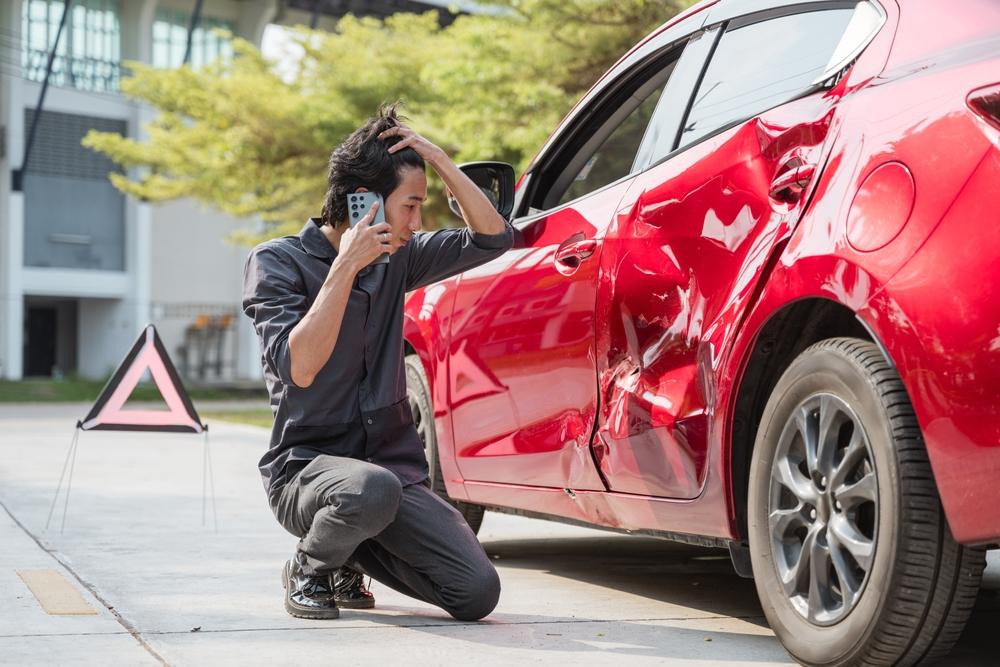
Immediately after a fall in a store, it is essential to take certain steps to ensure that your physical injuries are treated and your legal rights are protected. As soon as you fall, you can:
Sometimes your injuries may prevent you from reporting the fall to store management, taking pictures, or getting witness contact information. That’s okay. You may still make a fair recovery if the store’s negligence led to your fall injury.
n the days and weeks following your slip and fall incident, there are certain steps you can continue to take to protect your recovery. For example, you can:
The liable party in a slip and fall accident is typically the property owner or another party who was responsible for but failed to maintain a safe environment. If negligence, such as failing to fix hazards or warn of unsafe conditions, contributed to the accident, the responsible party may be held liable.
Slip and fall liability often revolves around proving that the property owner knew or should have known about the hazardous condition and did not take appropriate action to address it. This applies to both private and public property, with liability varying based on the circumstances of the incident.
The legal process can feel overwhelming, but you don’t have to go through it alone. Here’s what our team will do to secure the best outcome for your case:
Foster Wallace
 N/a
N/a