
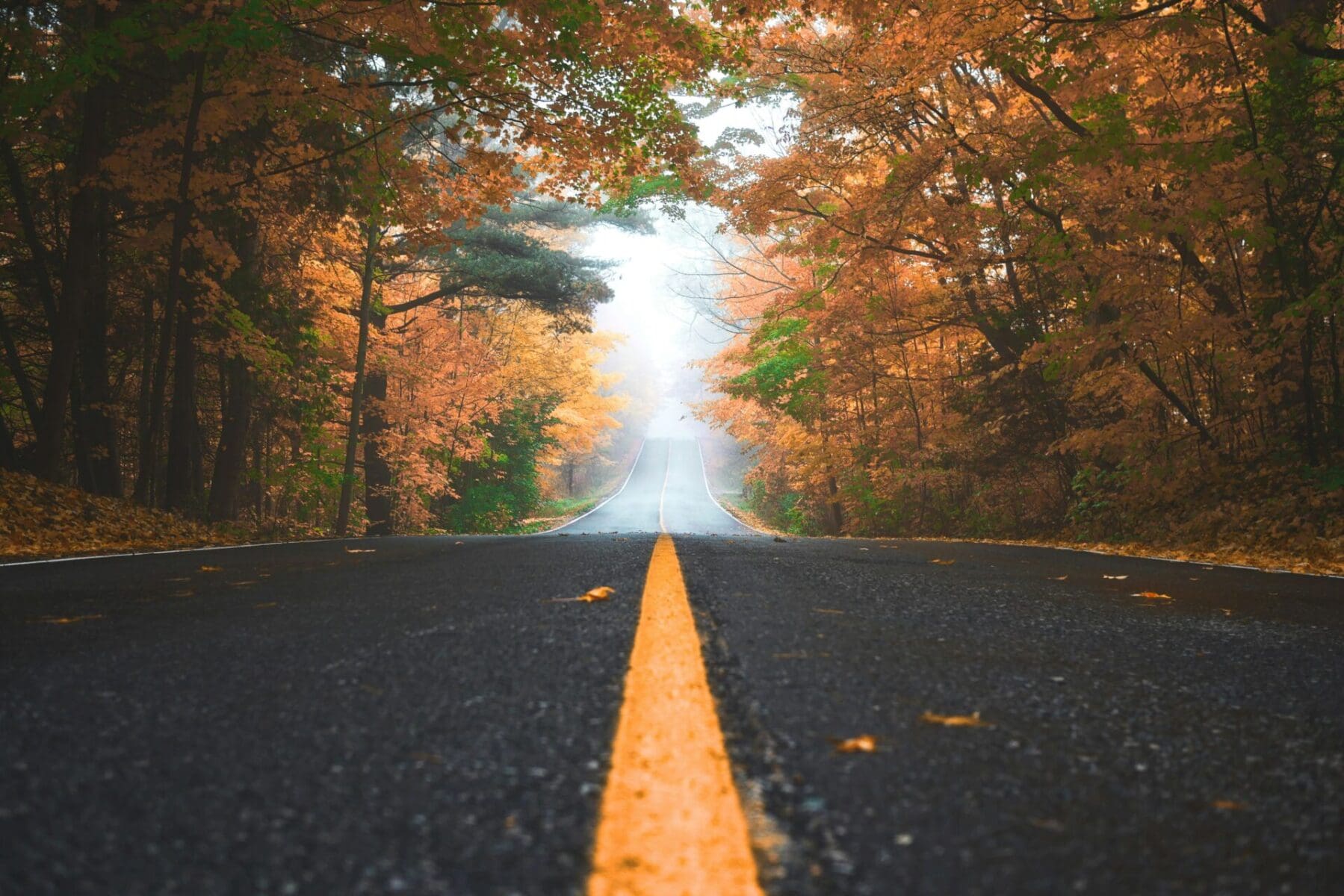
Why Kansas City Car Accidents Increase in the Fall

Fall in Kansas City is hard to beat. The trees along Ward Parkway turn vibrant colors, Chiefs games fill Sundays, and the Plaza lights come on Thanksgiving night. It’s also when Kansas City car accidents climb, making it the most dangerous time of year to be on the road.
A 2023 Carfax analysis found that 40 of the 50 states see more car crashes in the fall than in any other season. Missouri and Kansas are both on that list.
At Foster Wallace Personal Injury Lawyers, we see the results every autumn: rear-end crashes in the dark, wrecks on wet leaves, and cars totaled by deer on rural highways. Here’s why fall driving gets riskier in Kansas City, and what you can do to stay safe.
Shorter Days and the End of Daylight Saving Time
Darkness is the biggest reason fall crashes rise. Carfax data shows drivers are about twice as likely to crash at night as during the day, and each fall week brings an earlier sunset.
The real jolt comes when daylight saving time ends on the first Sunday in November. Overnight, the evening commute on I-435, I-35, and US-71 shifts from daylight to darkness. The sudden switch takes some getting used to, and darkness makes hazards harder to spot.
By late fall, Kansas City sunsets come around 5 p.m. That means:
- Rush hour happens in the dark. Drivers leaving downtown, Crown Center, or the office parks in Overland Park and Lenexa head home after sunset.
- Pedestrians are harder to see. People walking to bus stops, crossing Main Street, or heading to their cars blend into the dark, especially in dark clothing.
- Fatigue sets in sooner. Early darkness makes many people feel tired earlier in the evening, including on the drive home from work.
Sun Glare During the Morning and Evening Commute
As the sun sits lower in the sky, it lines up with rush hour. Drivers heading east on I-70 or US-40 in the morning, or west on I-70, K-10, and I-435 in the evening, can face blinding glare for several minutes at a time.
Glare can hide brake lights, traffic signals, and people in crosswalks. It is a common factor in rear-end crashes and in collisions with pedestrians and cyclists. A dirty or streaked windshield makes it much worse.
Changing Weather: Wet Leaves, Fog, and the First Frost
In the fall, Kansas City weather can swing from 75 degrees to freezing in a single week. Those swings create road hazards that catch drivers off guard.
- Wet leaves. Carfax warns that wet, fallen leaves can make pavement nearly as slick as ice. Tree-lined streets like Ward Parkway get covered fast, and leaves also hide potholes and lane markings.
- Fall rain. The first rain after a dry stretch lifts oil off the pavement, making roads especially slick.
- Morning fog. Cool nights bring fog near the Missouri and Kansas rivers, low-lying highways, and river bridges like the Broadway and Paseo bridges.
- The first frost. Bridges and overpasses freeze before the rest of the road. Many drivers don’t expect black ice until winter, so an early cold snap can lead to spinouts and pileups.
Deer Season on Kansas City Roads
Fall is mating season for deer, and they move more often and less cautiously. Carfax found that nearly half of all deer crashes happen from October through December, and State Farm reports that November is the peak month for animal collisions in most states.
You don’t have to be out in the country to hit a deer. They regularly cross I-435 near Swope Park, roads around Shawnee Mission Park and Longview Lake, and the highways heading out toward Platte County, Cass County, and Johnson County.
Deer are most active at dawn and dusk, the same hours as the fall commute. If one crosses in front of you, brake firmly and stay in your lane. Swerving into oncoming traffic or a ditch often causes a worse crash than hitting a deer.
More Traffic, More Distractions: Fall in KC
Fall also puts more people on Kansas City roads at the same time:
- School zones and buses. Morning and afternoon school traffic is back, with kids walking and waiting at bus stops in low light. Stay alert and obey all crosswalks, crossing guards, and school bus signals. In Missouri, RSMo § 304.050 states when drivers must stop for school buses.
- Chiefs game days. Tens of thousands of fans crowd I-70 and I-435 around Arrowhead, and some drive home after a day of tailgating.
- Halloween. Trick-or-treaters cross neighborhood streets after dark, often in dark costumes.
- Holiday travel. Thanksgiving weekend and the Plaza Lighting Ceremony bring heavy traffic, crowded parking lots, and more impaired drivers.
Fall Driving Safety Tips for Kansas City Drivers
Most fall crashes are preventable. A few habits make a real difference:
- Clean your windshield inside and out. Replace worn wiper blades before the rainy season, and refrain from driving with fogged-up windows.
- Keep clean sunglasses in the car and use your visor during sunrise and sunset commutes.
- Check your headlights. Make sure both work, clean foggy lenses, and turn your lights on at dusk so other drivers can see you.
- Slow down on leaves, bridges, and overpasses, especially on cool mornings.
- Leave more following distance when roads are wet or visibility is poor.
- Watch for deer at dawn and dusk, and use high beams on dark roads when no one is coming toward you.
- Look twice for pedestrians and cyclists, especially in school zones and neighborhoods after dark.
- Plan a sober ride for game days, Halloween parties, and holiday gatherings.
Hurt in a Car Accident This Fall? What to Do Next
Darkness, glare, and slick roads don’t excuse careless driving. Drivers must adjust to conditions by slowing down in rain, leaving extra space, and keeping their headlights on. When another driver fails to do that and hurts you, you may have a claim.
If you’re in a crash, take these steps:
- Get medical care. Call 911 for serious injuries. Whiplash, concussions, and back injuries often don’t show symptoms for hours or days, so get checked out even if you feel fine.
- Call the police and ask for a crash report.
- Document the scene. Take photos of the vehicles, the road, the weather, lighting, and any leaves, water, or ice.
- Get names and contact information from the other driver and any witnesses.
- Be careful with insurance adjusters. Don’t give a recorded statement or accept a quick settlement before you talk to a lawyer.
- Don’t wait too long. Missouri generally allows five years to file a personal injury lawsuit, and Kansas generally allows two. Some deadlines are shorter, so act early.
Talk to a Kansas City Car Accident Lawyer
At Foster Wallace Personal Injury Lawyers, we help drivers, passengers, pedestrians, and cyclists across the Kansas City area recover after a crash. Whether you were rear-ended at dusk, hit by a driver blinded by glare, or struck by someone who drove home after a game, we’ll investigate what happened, handle the insurance companies, and fight for the compensation you deserve.
Hurt in a car accident this fall? Contact our Kansas City personal injury lawyers today or call 816-249-2101 for a free consultation.
Enjoy the season, slow down, and get home safe this fall.